
Let’s say you’ve got your coaching business up and running.
Maybe you’ve worked with a few clients, set up your website, and posted on Instagram more times than you can count.
But when it comes to actually marketing your coaching business—getting consistent leads, building trust, and turning followers into paying clients, it still feels like a bit of a guessing game.
You’ve probably tried to figure it out on your own. Googled things like “how to get coaching clients fast” or “best coaching marketing tips.”
And what did you find? The same vague advice on repeat: “Choose your niche.” “Build your brand.” “Start a blog.”
All valid! But none of them tell you what to actually do once those pieces are in place.
That’s what this guide: marketing for coaches, is here for.
Today, I’ll share 15 real, actionable coaching marketing strategies that coaches are using right now to get seen, get trusted, and get booked.
So, let’s start.
15 Must-Try Coaching Marketing Strategies (That Work in 2026)
These strategies to marketing for coaches aren’t just about showing up online. They’re designed to help you get clients, grow your reputation, and build steady demand for your coaching.
Instead of spreading yourself thin, pick 3 to 5 that feel right and really put them to work.
1. Create a Signature Freebie That Solves a Micro-Problem
A strong freebie is something you can’t ignore! It’s your first real chance to show your ideal client that you understand their exact pain points and that you have a solution.

First, make sure you don’t go for broad freebies like “Top Coaching Tips.” Instead, get super specific.
Let’s say you’re a career coach. A “30-Day Job Clarity Planner” is powerful because it breaks down a big, overwhelming process into daily bite-sized steps. If you coach business owners, something like “Gut Check: Are You Ready to Scale?” helps them make a concrete decision.
The best freebies solve one small problem completely. Then, you use that win to invite them further, maybe a free clarity call or a low-cost mini-course.
Extra tip: Keep your freebie simple. The goal is to build trust by solving one problem clearly, not dumping a mountain of info. Clients respond better when they feel success early and fast.
Now that you have a freebie in place, it’s time to keep those coaching marketing leads engaged.
2. Offer “Mini Wins” With Free Email Challenges or Bootcamps
Static freebies often get forgotten. But email challenges or bootcamps that span 3 to 5 days give you multiple touchpoints. You can build trust through this repetition and stay at the top of mind.
Best if you design the challenge around one achievable goal per day.
For example, if you’re a health coach, you might do “3 Days to Better Sleep,” where each day’s email gives a small tip or action step. Use your natural voice—share stories, struggles, and small wins you or your clients experienced.
This connection makes your emails feel like a conversation, not a lecture.
At the end of the series, have a clear call to action: a free strategy call, signing up for a paid workshop, or joining your coaching program.
The key is that the flow feels natural, not salesy.
You can automate this campaign using Mail Mint in an easier way.
Avoid: Don’t pack your challenge with too many tasks or information each day. Stick to simple, doable steps that build momentum.
3. Run a Free Webinar Every 6 Weeks (With a Subtle Offer at the End)
The good news is- free webinars still work in 2026, but only when they’re focused and repeatable. You don’t need to create something new each time.
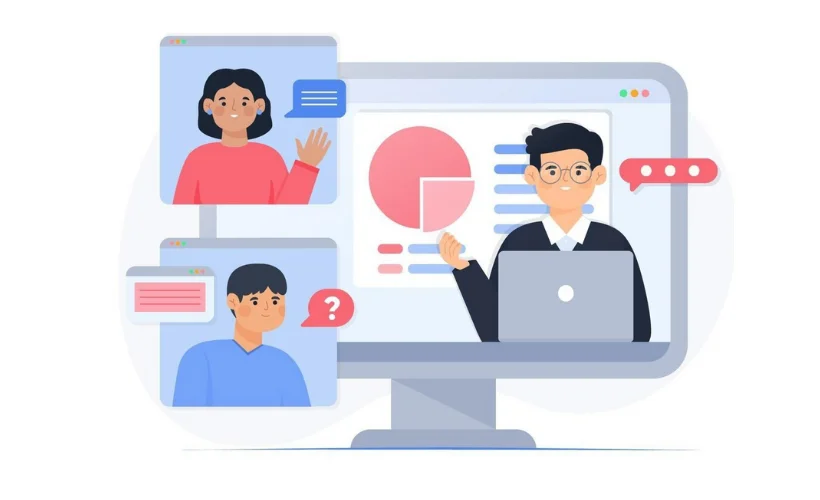
One well-structured training can run every 6 weeks and still feel fresh to new leads.
Here’s a simple flow that works:
- Start with the core problem your audience is facing
- Share a belief shift (what’s keeping them stuck)
- Deliver a few practical tips or a clear framework
- End with a soft invitation to work with you
Keep the session under 45 minutes. Shorter is better. You’re aiming for clarity, not overwhelm. Promote it for a week using email and social, no need to do a huge launch.
You can build the full funnel: landing page, thank-you page, email reminders, and checkout flow if you’re pitching something at the end. Check out WPFunnels that exactly lets you do that.
Additional tip: Don’t over-teach. Your job is to help people understand why they’re stuck and what needs to change. The rest comes later, inside your paid offer.
4. Build a Personal Brand on One Primary Platform
Don’t get burned out trying to be everywhere.
First, find out where your target people hang out or spend more time, be it LinkedIn, Instagram, YouTube, or TikTok. Then pick one main platform and show up consistently with a simple 3-part content mix:
- Thought leadership (your frameworks, your take on common problems)
- Behind-the-scenes (your process, client wins, even mistakes)
- Calls-to-action (book a call, join a waitlist, grab your freebie)
Let’s say you’re a mindset coach on Instagram. You could post a weekly “Monday Mindset Shift” carousel, a short Reel from your last coaching call (with permission), and a CTA post inviting people to your free workshop.
You don’t need a huge following. You just need to sound like someone who knows their stuff and gets what your audience is struggling with.
Pro Tip: Avoid posting only promo content. If every post feels like a sales pitch, people will tune you out. Make your content useful even if they never click because that’s how you build trust.
5. Start Sharing Weekly Client Lessons (Without Naming Names)
Remember: you don’t need a hundred testimonials to show you’re a good coach. In fact, some of your best content is probably sitting in your client sessions right now.
Start paying attention to the insights, mindset shifts, or “aha” moments that come up while you’re coaching and turn them into weekly posts.
Frame it like: “Here’s something that came up in a session this week…” This makes it feel current, honest, and grounded in real work.
Let’s say you’re a leadership coach. A post might start: “A client of mine was struggling to get buy-in from her team. What actually moved the needle? Dropping the ‘vision speech’ and asking one simple question instead…” Then share the takeaway.
Or, if you’re a money coach: “This week, a client realized they weren’t actually scared of raising their rates. They were scared of being seen as ‘too much.’ That right there was the block.”
These micro-stories do three things:
- Show your thought process as a coach
- Prove you’re actually doing the work
- Build authority without sounding like you’re bragging
So, make it a weekly series. Give it a name like Client Wins Wednesday or Lesson of the Week. When people know what to expect, they start looking forward to it.
Caution: Never share personal client details. Keep things anonymous and respectful.
6. Launch a Podcast or Interview Series (Featuring Peers or Ex-Clients)
Next, you can start a podcast or, even better, a low-lift interview series that doubles as content and networking.
You’re not doing this to go viral. Here’s why you’re doing it:
- Build deeper relationships with peers
- Borrow their audiences
- Create evergreen, high-authority content
And no, you don’t need a fancy studio setup. A Zoom recording and decent mic are enough.
Frame the series around something specific and valuable:
- A mindset coach might do: “The Breakthrough Series: Real Stories of Getting Unstuck”
- A business coach could try: “Scaling Unfiltered: Behind the Scenes With 6-Figure Coaches”
- A wellness coach might do: “Burnout to Balance: Real Transitions That Worked”
Episodes can be 15–30 minutes max. Keep it tight and useful.
You’ll find that your guests often share the episode with their own audience, which ultimately gives you built-in visibility without running paid ads.
But make sure you don’t sound “corporate.” Let the convo be natural, curious, even messy. That’s what makes it feel real and what builds trust.
Pro Tip: Use the interview as a starting point. Turn one episode into:
- An audiogram for social
- A newsletter with 3 key takeaways
- A carousel post with a quote or story
7. Host Monthly Q&A Lives
This one’s for you if you want to show your coaching in action, not just talk about it, even if you have five followers.
You don’t need a big audience for this to work. Q&A Lives let potential clients see how you think, how you problem-solve, and how you show up in real time, and that visibility builds trust faster than a week of static posts.

Here’s how to make it simple and repeatable:
- Pick a monthly theme based on what your people are struggling with (e.g., “Pricing Confidence,” “Getting Unstuck,” “Better Boundaries”)
- Answer 3–5 real questions pulled from DMs, client calls, or comments (“Someone asked me this last week…” always feels personal and timely)
- End with a casual invitation to your offer (“If this is something you’re working on, I help my clients navigate this every week. DM me if you want details.”)
Let’s say you’re a relationship coach. You could host “Ask Me Anything: Dating After Divorce.” Even if only three people show up live, the replay can be shared on your socials or sent to your email list.
The goal here isn’t big numbers—it’s showing your value in action.
Pro Tip: Save and repurpose the Q&A replay. Clip answers into short Reels or TikToks. One good question can become a week’s worth of content.
8. Package a Paid Workshop Around a Burning Problem
Now that you’re building visibility, it’s time to give your audience a clear next step. A low-ticket live workshop ($25–$50) is perfect for this.
Why? It creates urgency and commitment. And it filters for people who are actually ready to invest even just a little.
Here’s how to do it:
- Pick a super-specific problem you know your audience is frustrated by Examples:
- “Fix Your Resume in 90 Minutes” (career coach)
- “How to Hit Your First 5K Month Without Cold DMs” (business coach)
- “Meal Planning for Real Life (In Just One Hour a Week)” (health coach)
- Create a quick funnel:
- Freebie or tip → nurture email series → live workshop offer
- Keep the landing page clean and direct. (You can build the full flow with WPFunnels.)
- Run the workshop live once, then offer the replay on-demand or as part of your onboarding sequence
This kind of offer builds trust and gives you fast feedback. You’ll see which topics get traction and which ones fizzle.
Pro Tip: Give workshop attendees a special bonus or invite them to your core offer. The best time to pitch is after you’ve helped them get a win.
9. Create a Weekly Tip Column in Your Email Newsletter
Think of your newsletter like your own mini column—bite-sized, useful, and easy to read. Not another long-form essay people ignore.
When done well, this becomes your weekly reminder to your audience: “I’m here, I’m good at what I do, and I’m helping people just like you.”
Here’s how to make it land:
- Choose a recurring format so it’s easy to stay consistent (e.g., “Mindset Mondays,” “Sales Tip Thursdays,” “Boundary Breakers Friday”)
- Use this 3-part format:
- A micro story or moment from your week
- One clear tip that ties to your audience’s main struggle
- One simple CTA (freebie, booking link, reply to this email, etc.)
Example for a productivity coach:
Subject: Tuesday Reset: My Trick for Getting Back on Track
Body: “Yesterday, I lost two hours doom-scrolling. Instead of trying to power through, I used my 3×3 Reset Rule. Here’s how it works…”
Additional Tip: Batch your newsletters in 2–3 week chunks. That way, you’re not scrambling every Monday morning trying to write something new.
10. Turn Client Testimonials Into Story Posts or Reels
You’ve probably posted a screenshot of a client testimonial before — short, sweet, and… kind of forgettable.
Instead, turn those results into relatable stories. Use a simple storytelling structure that feels like a mini case study: “Before working with me, [Client Name] was struggling with ____. Here’s what changed after just X weeks…” Then show the journey in a Reel, carousel, or even a narrated post. Keep it short, honest, and human.
For example: If you’re a business coach, share how someone went from booking 1 client a month to 4 in 6 weeks and how your framework helped her shift that. Show screenshots of her DMs, a peek at the actual tool you used, or her words explaining the change.
Pro Tip: End every story with a soft but powerful line: “This is possible for you too.” That one sentence alone can flip a follower from “just watching” to “ready to message you.”
11. Use Micro-Content to Build Awareness and Demand
You don’t have to show up daily with new content ideas to start marketing for coaches. You just need to get smart about repurposing what you’ve already created.
If you ran a 60-minute webinar, that’s easily 10–15 mini pieces of content.
Here’s how to break it down:
- A carousel of 3 key takeaways
- A 30-second reel answering a question you got during the session
- A quote card of your favorite line
- A behind-the-scenes clip of how you prepped
This kind of micro-content lets you stay visible without burning out and it’s way more digestible for your audience.
Tool tip: If you want to automate this, try tools like Repurpose.io or Descript to quickly turn long-form into bite-sized content. Or just open Canva and batch a few quote posts each week.
12. Collaborate With Other Coaches or Experts in Complementary Niches
If you’re growing your audience solo, it’s going to take longer. But when you borrow someone else’s audience and give their people real value, your visibility grows overnight.
The key is to collaborate with people who solve related (but different) problems.
Here’s what that looks like:
- Life coach + mindset coach → Run a free 3-day “Reset Your Mindset” challenge
- Career coach + résumé writer → Offer a “Get Hired” package with both services, plus a resume scanner for job seekers to optimize their resumes for ATS and boost interview chances.
- Health coach + meal planning expert → Go live together on “What to Eat When You’re Burned Out”
You both bring your strengths, and both of your audiences get something valuable.
**Read this guide to learn how to start a coaching business from scratch [2026]
Easy collab ideas:
- Podcast guest swaps
- IG Lives or story takeovers
- Bonus swaps inside each other’s paid programs
- Joint bundle offers (great for launches)
Pro Tip: Don’t pitch a vague “collab” in the DMs. Come with a specific idea and what’s in it for both sides. That makes it easier for them to say yes.
13. Create a Referral Circle (and Keep It Alive)
Referrals always work. But they don’t just happen, you’ve got to plant the seeds.
If you’ve worked with a few happy clients, or you have peers in the same space, build a mini referral circle. This could be:
- A couple of past clients who rave about your coaching
- A few peers who serve a similar audience but in a different niche
- Even that VA you worked with who knows someone launching a business
Now here’s the key: make it ridiculously easy for them to refer you.
Use a casual script like this when chatting:
“Hey, if you ever come across someone struggling with [insert problem you solve], feel free to connect us. I’d be happy to take a look and see if I can help.”
That’s it. No pitch. No pressure. Just a nudge.
Pro tip: Set a monthly reminder to follow up with your circle. Send a quick message asking how things are going, or update them on something new you’re offering. That’s how you keep the circle alive.
Referrals die when you stay silent.
14. Get Featured on Guest Blogs, Podcasts, or Niche Sites
This one’s not about SEO for SEO’s sake. It’s about getting in front of people who are already paying attention to the topics you coach on.
So skip the cold, generic guest post pitches.
Instead, do this:
- Look for podcasts or blogs your audience already reads or listens to
- Think about what unique perspective you bring (your story, your framework, your method)
- Pitch something specific — like “How I helped a burned-out marketer reclaim her weekends in 30 days without quitting her job”
You can also sign up for HARO (Help A Reporter Out) or Qwoted. These platforms connect experts (like you) with journalists and bloggers who need quotes and input.
This builds two things at once:
- Trust: because you’re showing up in credible places
- Traffic: because your name’s now in front of the right crowd
Avoid this: Don’t treat it like a one-time traffic boost. The real win is when your name pops up in multiple places your audience already trusts.
15. Sell a Low-Ticket Offer on Autopilot (Your Funnel’s Warm-Up Act)
Here’s a smart move: sell a $27–$49 mini course or digital offer that filters in serious leads—not just freebie hunters.
This kind of offer is what marketers call a self-liquidating offer. What it really means is:
- The money you make from it covers your ad costs
- You only attract buyers who are willing to invest (even if it’s small)
- You get to show off your style of coaching before someone books a call
Say you’re a productivity coach. You could sell a $37 “Weekend Reset” workshop that walks people through resetting their schedule in 3 days. It helps them solve one small problem—and leaves them curious about what else you could help with.
Use WPFunnels to map out this entire journey: Landing page → checkout → upsell → email follow-up
You don’t need to be a tech pro to set it up.
Pro tip: Add a tiny “bonus call” at the end of your low-ticket offer. People who show up to that are usually your hottest leads.
What Are the Common Coaching Marketing Mistakes? (And How to Avoid Them)
Once you know your niche and have an offer, the next move usually feels obvious: start your coaching marketing.
But this is where most new coaches get stuck. Not because they’re lazy because they’re following advice that sounds right but doesn’t actually work long term.
Let’s look at some common traps you’ll want to avoid in marketing for coaches.
“I Need to Be on Every Platform to Be Taken Seriously”
Reframe: Pick one or two platforms and show up consistently. Trying to be everywhere only spreads your time and energy thin. You’re better off going all in where your people already hang out.
“I’ll Wait Until I Feel More Confident to Show Up Online”
Reframe: Confidence doesn’t come first. It’s something you build by showing up regularly, even if you feel awkward at the start. The more you post, the more you learn what works—and that’s what builds real confidence.
“My Offers Should Sell Themselves Once I Launch”
Reframe: Launching your offer is just the beginning. People need reminders, follow-ups, proof, and repetition before they buy. You’ll need to talk about your offer often—weekly at minimum—if you want people to take action.
“Free Content Should Cover Everything I Know”
Reframe: Free content should show you know what you’re talking about. But save your full process and transformation for your paid offer. If you give away the full solution, people will consume it without committing.
“I Need a Big Audience Before I Start Selling”
Reframe: You don’t need thousands of followers to get your first few clients. Focus on creating value for the audience you already have. Real conversions come from trust, not numbers.
“I Need to Automate Everything Before I Launch”
Reframe: You only need one or two systems to get started. The manual is fine in the beginning. Automate once something works—don’t try to build a full machine before you’ve sold even one spot.
Quick tip: Watch for these habits. They sound productive, but usually just keep you in learning mode. Before trying any strategy, check whether it actually moves the needle—or just makes you feel busy.
Coaching Marketing Tools You Can Use
If you’re handling everything solo, from landing pages to lead magnets, you don’t need a massive tech stack to succeed at marketing for coaches. You just need the right tools that actually help you get stuff done.
Here’s what to keep in your toolkit:
- WPFunnels – You can quickly set up lead funnels and launch sequences without hiring a developer. If you’re offering a free session, webinar, or course preview, this makes it easy to guide people through sign-up to payment.
- Mail Mint – Skip paying for external CRMs. With Mail Mint, you can automate your welcome emails, follow-ups, and newsletters directly from WordPress. It works well if you’re building your list and want to stay consistent.
- Canva – You don’t need a designer to create decent promo graphics or freebies. Just pick a template, drop in your content, and publish. Great for quick Instagram carousels or coaching worksheets.
- Calendly – Forget chasing people in DMs to schedule calls. Just send a link and let them pick a slot. It connects with Google Calendar so you’re never double-booked.
- AnswerThePublic or AlsoAsked – These tools show you what people are searching around your niche. Use them to write content that actually gets seen.
- Metricool – If you’re posting on Instagram, LinkedIn, or TikTok, this helps you track what’s working and even repurpose your content. Keeps your posting consistent without burning out.
Use these tools to save time, stay organized, and keep your content flowing—without making your coaching marketing feel like another full-time job.
Final Thoughts
You don’t need to use every strategy you just read.
What works for someone else might not work the same way for you. So don’t overthink it, just pick 3 to 5 coaching marketing strategies that feel doable for your current stage.
Stick to them for at least 90 days. Track what’s working. Drop what’s not. Then double down on what brings results.
You don’t have to be perfect. But you do need to show up consistently.
If you’re serious about turning your coaching into a business, start by building your course the right way. We are launching our new LMS tool, CreatorLMS, that lets you launch, sell, and manage your course without needing to hire a developer or buy five different plugins.
FAQs
1. How to do coaching marketing?
Start by identifying your target audience and niche. Build a strong online presence through a website, social media, and content. Use email marketing and lead magnets to capture and nurture leads. Offer free value upfront—like webinars or resources. Promote consistently and track what works.
2. What is a coach’s marketing strategy?
A coach’s marketing strategy includes choosing a niche, building a personal brand, and using content to attract leads. It focuses on relationship-building and trust. Common coaching marketing tactics include social proof, testimonials, and free sessions. The goal is to create a clear path from discovery to booking. Automation can help scale this process.
3. What is the importance of marketing for coaching?
Without marketing, your ideal clients won’t find you. It helps you build visibility, establish credibility, and generate consistent leads. Coaching marketing also allows you to communicate your value clearly. It’s what turns expertise into a business. Consistent marketing is what keeps your coaching calendar full.
4. How to get high-paying coaching clients?
Niche down your offer to solve a high-value problem. Use testimonials, results-driven case studies, and premium funnels designed for marketing for coaches.
5. Why is branding for coaches essential to stand out in a crowded market?
Branding for coaches is essential because it helps you clearly show what makes you different and why clients should choose you. A strong brand builds trust and makes it easier for your ideal clients to find and connect with you. Without it, your coaching can get lost in the crowd.